



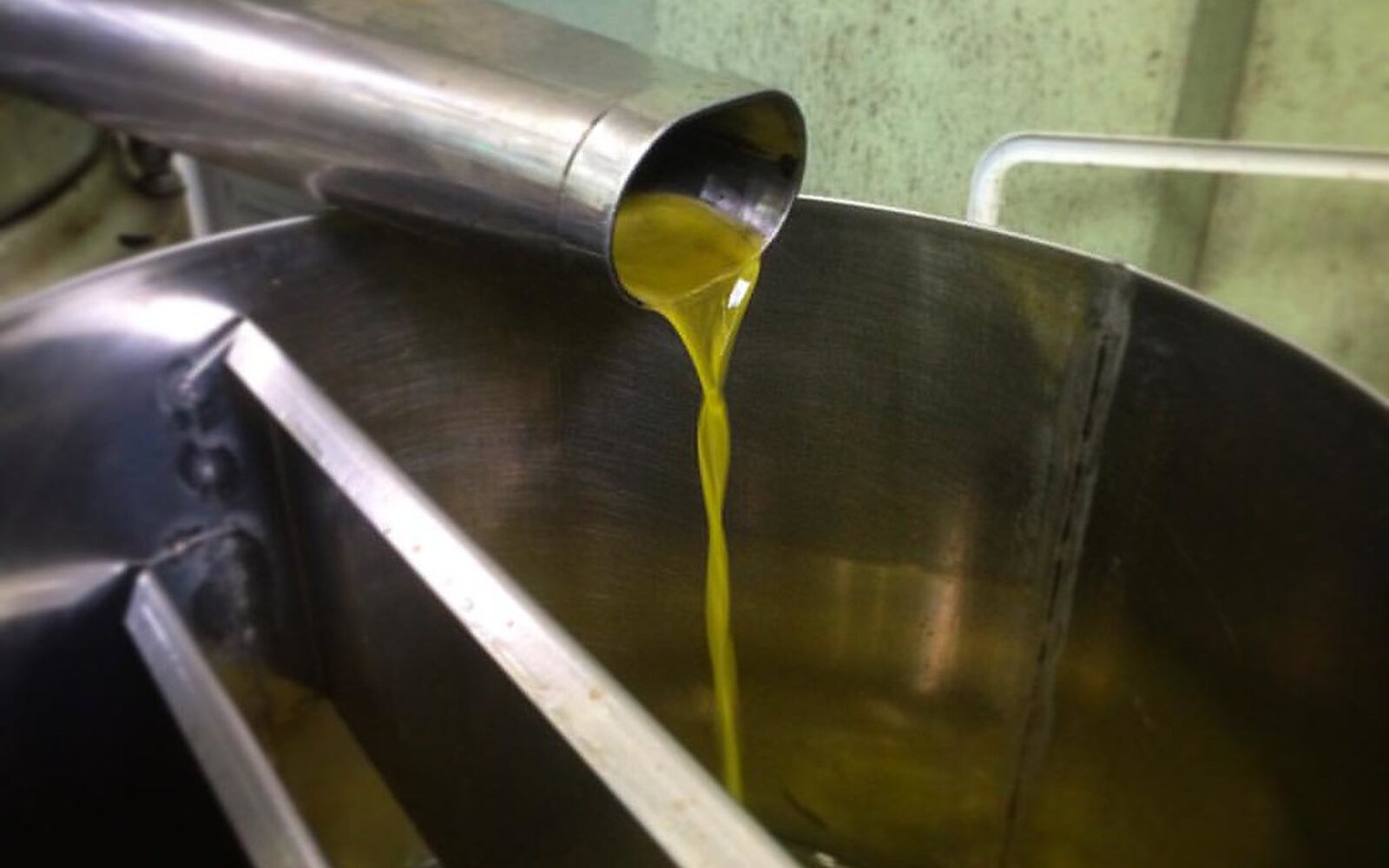
Cold pressed vs refined: what actually changes
Refining takes oil to 200°C, bleaches it and deodorises it. Here is what leaves the bottle along the way.
Read more Andhra Pradesh’s No.1 Cold Pressed Oils
Pressed slow and cold below 40°C, so every drop keeps the aroma, the nutrients and the honest taste that refining strips away. Six years of hand-picked seed, genuine weight and nothing else added.
Nine ranges pressed and packed at our Guru Nanak Colony unit in Vijayawada.
The bottles our customers reorder most, in 500 ml, 1 litre and 5 litre jumbo packs.

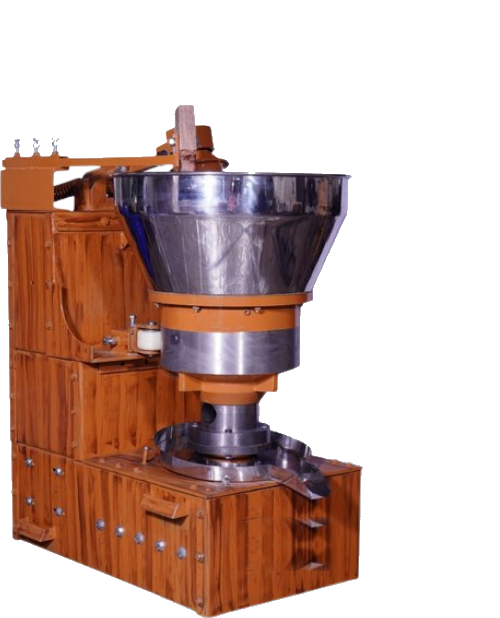
One animal, one wooden ghani, and forty minutes a batch. It is slower than a steel expeller and it yields less oil from the same seed — and it is the only method we know that leaves the aroma and the nutrients where they belong.
See the rangeFive stages between the seed and the bottle. No heat at any of them.
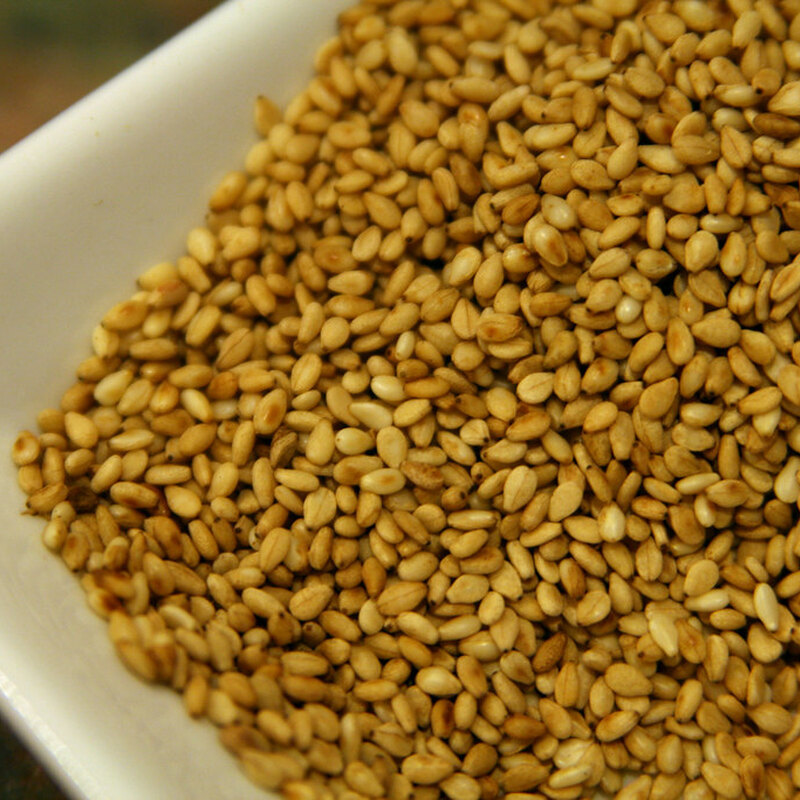
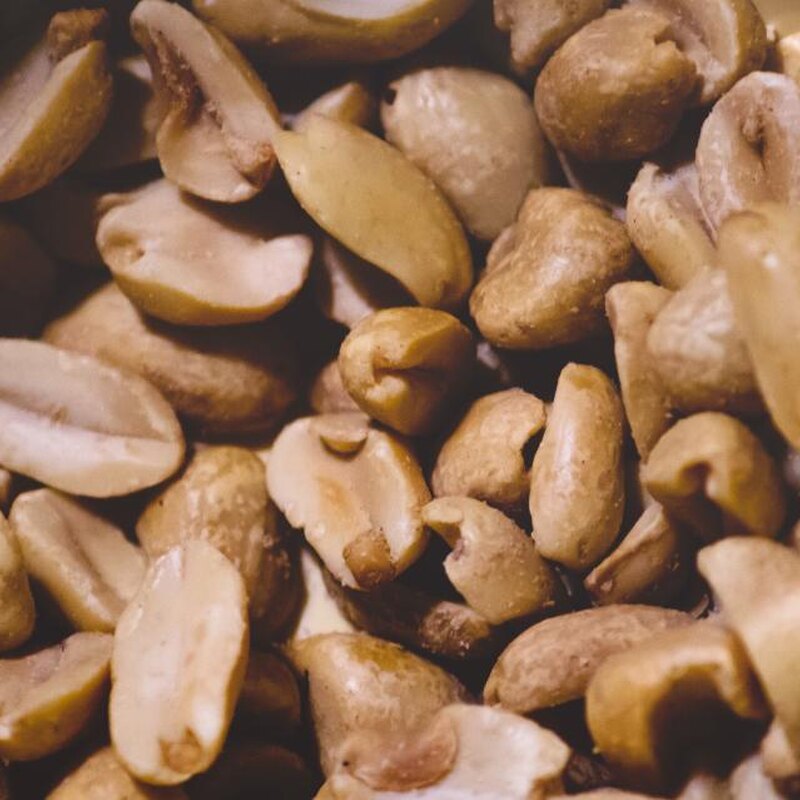
Groundnut from Anantapur, sesame from Nalgonda, copra from the Konaseema coast. Sorted by hand before anything reaches the press.
A slow-turning wooden mortar and pestle. Forty minutes to press what a steel expeller does in four — that patience is the point.
The oil runs through cotton cloth, and that is the only filtration it gets. What the cloth holds back is seed, not oil.
The oil rests in steel tanks and lets its own sediment fall. No bleaching earth, no deodorising, no caustic wash.
Filled the same week it is pressed, weighed on calibrated scales and sealed in front of you. Batch and press date on every bottle.
Eight steps, all of them ours. We buy the seed, sort it, press it, filter it, fill it and hand it to you — no middleman touches the oil.
 Press to kitchen
Eight steps
Press to kitchen
Eight steps
Fresh-pressed batch discounts, live until midnight.
Vitamin E, lecithin and natural antioxidants survive a cold press. Refining burns them off.
If your sesame oil does not smell of sesame, it was refined. Ours smells like the seed it came from.
Commercial oil is often extracted with hexane. We use pressure and time — nothing else.
We press weekly in small batches. Nothing sits in a warehouse going rancid for months.
Calibrated scales, checked quarterly. A litre is a litre.
Manufacturers, wholesalers and retailers. Bulk rates on 5 litre and 15 litre packs.
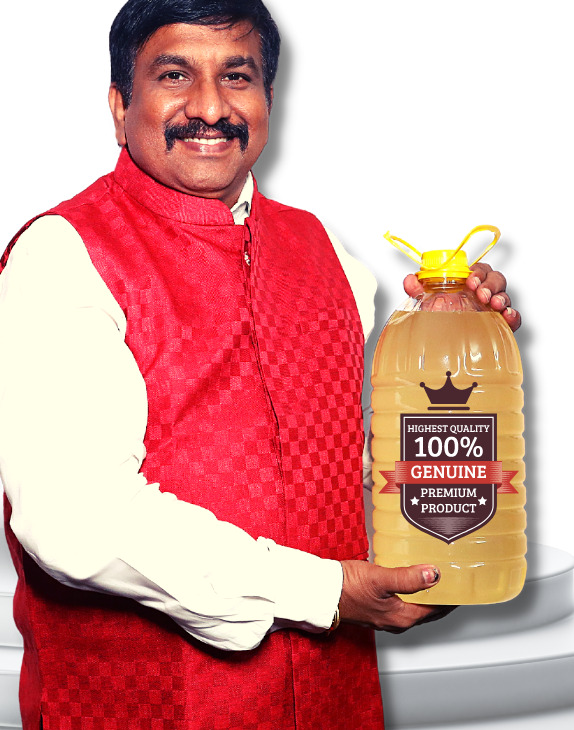
If I would not cook my own family’s food in it, it does not go in a bottle with my name on it.
Managing Director of Sri Krishna Durga Oils and Namgiri Natural Oils. Six years spent learning which seed presses well, which supplier weighs honestly, and why the wooden ghani is worth the extra thirty-six minutes.
About UsFantastic products, we loved the quality.
Coconut oil is the best product in Sri Krishna Durga Oils.
Every product in SKD has a weight-loss application. Nice products for a healthy lifestyle.
Refining takes oil to 200°C, bleaches it and deodorises it. Here is what leaves the bottle along the way.
Read more
Groundnut for frying, sesame for pickles, coconut for the coast. A practical guide to using all seven.
Read more
The wooden ghani is deliberately inefficient. That inefficiency is the entire product.
Read more
One message a month. Press dates, seasonal oils and wholesale rates. No spam, unsubscribe anytime.